:_Nyaya-Vaisesika_Philosophy_from_1515_to_1660144408-img.png)
Free Support 24/7
011 208 1308

080123-img.png)
1 ×LKR 400.00
1 ×LKR 1,500.00
1 ×LKR 400.00
Free Support 24/7
011 208 1308
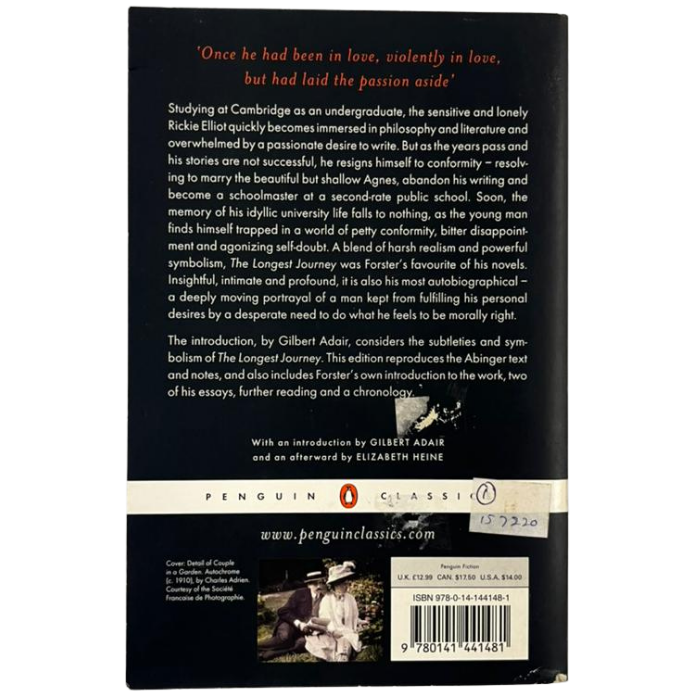

Ratings: ★★★★☆ (4.2 / 5)
Genre: Classic Literature, Literary Fiction, Bildungsroman
Book Review:
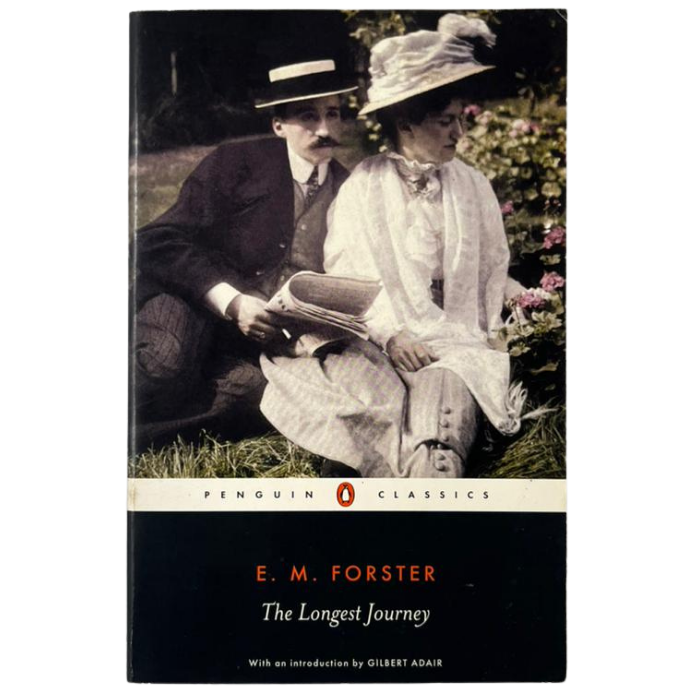
E.M. Forster is one of the most beloved novelists of the twentieth century, author of classics like A Passage to India, Howards End, and A Room with a View. But before those triumphs came The Longest Journey—perhaps his most personal and autobiographical work.
The novel follows Rickie Elliot, a young man from Cambridge who is awkward, dreamy, and uncertain of his place in the world. He longs to be a writer, but he is pulled in different directions by his friends, his family, and the women who love him. His ''longest journey'' is the search for meaning and connection in a world that often seems cold and indifferent.
Forster explores themes that would recur throughout his work: the conflict between imagination and convention, the importance of personal relationships, and the search for authenticity. He also touches on darker themes—disability, illegitimacy, and the failure of marriage—with a frankness that was unusual for its time.
The novel is not as well-known as Forster's later masterpieces, but it has its own unique power. It is raw, passionate, and deeply felt. Forster himself said it was the novel he was ''most glad to have written.''
This Penguin Classics edition includes an introduction by Guster Adar that provides valuable context for understanding the novel.
The Longest Journey is essential reading for Forster fans, and for anyone interested in the development of the modern novel. It is a journey worth taking.