Free Support 24/7
011 208 1308

Free Support 24/7
011 208 1308
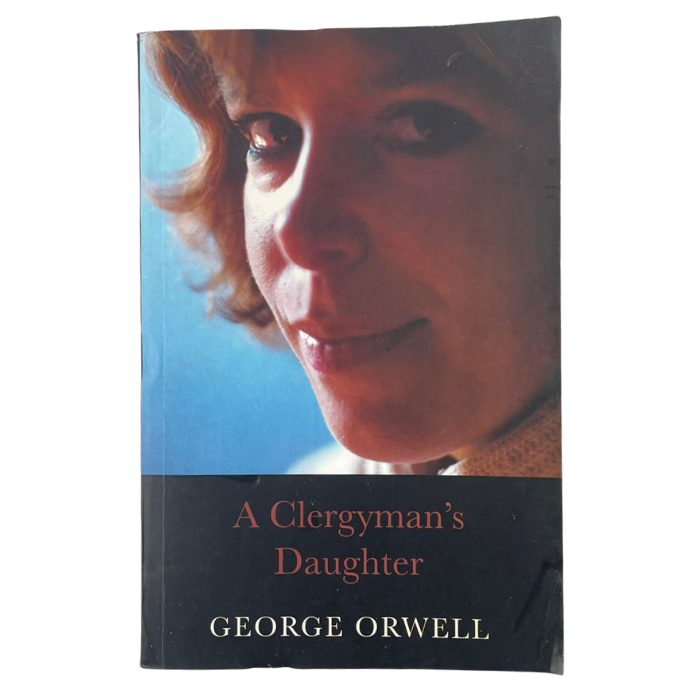


Ratings: ★★★★☆ (4/5)
Genre: Literary Fiction, Classic Literature, Social Commentary
Book Review:
''A Clergyman's Daughter'' is a compelling and often underappreciated gem in George Orwell's bibliography. Unlike his more famous works like ''1984'' or ''Animal Farm,'' this novel offers a deeply personal and humanistic look at the struggles of faith and survival in 1930s England.
The novel's protagonist, Dorothy, is a wonderfully drawn character. Her life of quiet drudgery and self-sacrifice is depicted with such stark realism that it's almost painful to read. Orwell masterfully captures the claustrophobic atmosphere of a small-town rectory and the exhausting, thankless work Dorothy performs. The first part of the book is a masterclass in depicting a life of quiet desperation.
However, the novel takes a sharp turn when Dorothy loses her memory and ends up in London. This shift allows Orwell to explore themes of poverty, class, and identity with his characteristic honesty. Dorothy's experiences on the streets are portrayed without sentimentality, showing the harsh realities of life for the destitute. The exploration of her faith, shaken to its core, adds a profound psychological depth to the story.
Some critics have found the plot disjointed, but this reflects the fractured nature of Dorothy's own experience. The novel is a satirical and poignant commentary on the Church, society, and the human condition. It may not be as politically charged as Orwell's later works, but it is a deeply human story that showcases his incredible range as a writer.
For readers who enjoy classic literature with deep character development and social critique, ''A Clergyman's Daughter'' is a rewarding and thought-provoking read.

034714-img.png)