Free Support 24/7
011 208 1308
Free Support 24/7
011 208 1308

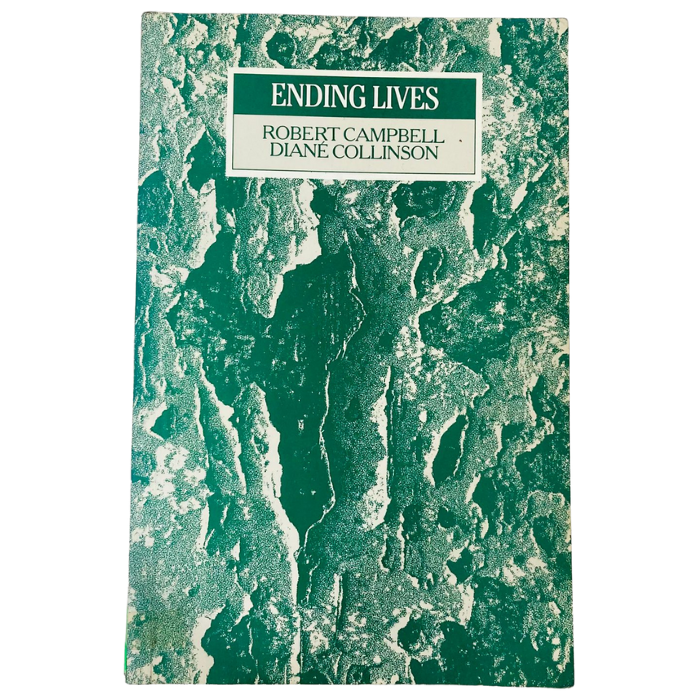
Genre: Philosophy / Ethics / Bioethics
Rating: ★★★★☆ (4/5)
Book Review:
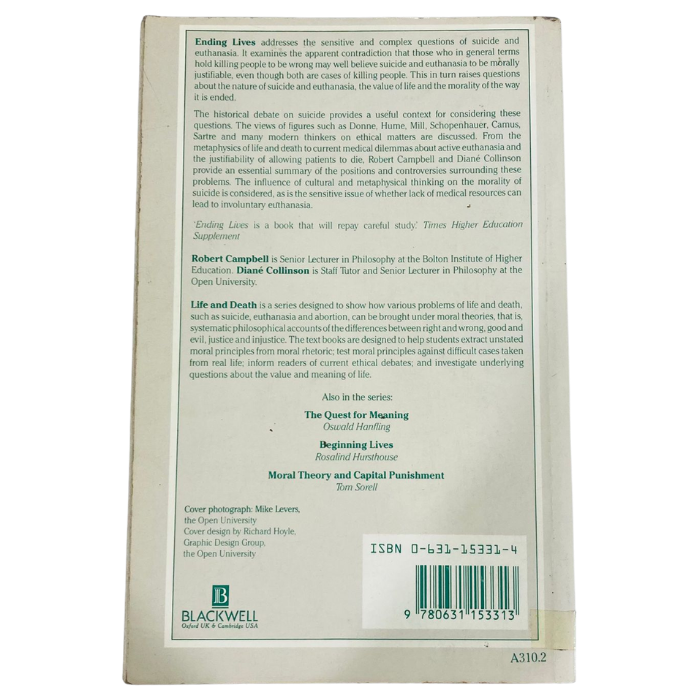
''Ending Lives'' stands as an exceptionally clear, structured, and thought-provoking introduction to the profound ethical debates surrounding suicide and euthanasia. Written as part of The Open University's ''Life and Death'' series, it successfully fulfills its educational mission: to equip readers with the philosophical tools needed to analyze these emotionally charged issues rationally.
The authors, Robert Campbell and Diane Collinson, do not advocate for a particular stance. Instead, they meticulously map the intellectual landscape. They begin by dissecting the apparent paradox of condemning killing while potentially justifying certain acts of self-killing or mercy killing. The book then provides a valuable historical survey, tracing arguments from classical thinkers through the Enlightenment to existentialists like Camus and Sartre. This historical context is one of the book's greatest strengths, showing how contemporary dilemmas are rooted in centuries of thought.
The discussion seamlessly bridges abstract metaphysics (''What gives life value?'') and gritty practical dilemmas faced in modern medicine. It is an ideal textbook for university courses in ethics, applied philosophy, or medical humanities, as each chapter builds logically and includes complex ideas explained with admirable clarity.
While it may not offer easy answers or delve into the deepest personal anguish these topics evoke, that is not its purpose. ''Ending Lives'' provides the essential framework for informed debate. It is highly recommended for students, educators, healthcare professionals, and anyone who wishes to move beyond gut reaction and engage with the substantive moral philosophy at the heart of how we choose to end our lives.

070822-img.png)