Free Support 24/7
011 208 1308

Free Support 24/7
011 208 1308
Ratings: ★★★★☆(4/5)
Genre: Photography, Art History, Erotica, Cultural History
Book Review:
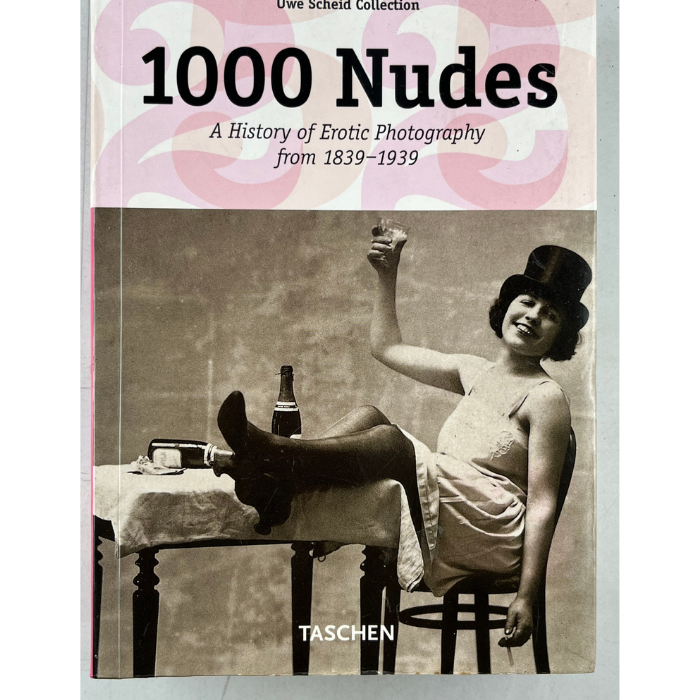
TASCHEN's ''1000 Nudes'' is exactly what its title promises—a massive, comprehensive visual survey of nude and erotic photography spanning the first century of the medium's existence. Based on the Uwe Scheid Collection, this book offers an unparalleled look at how photographers have depicted the human body from 1839 to 1939.
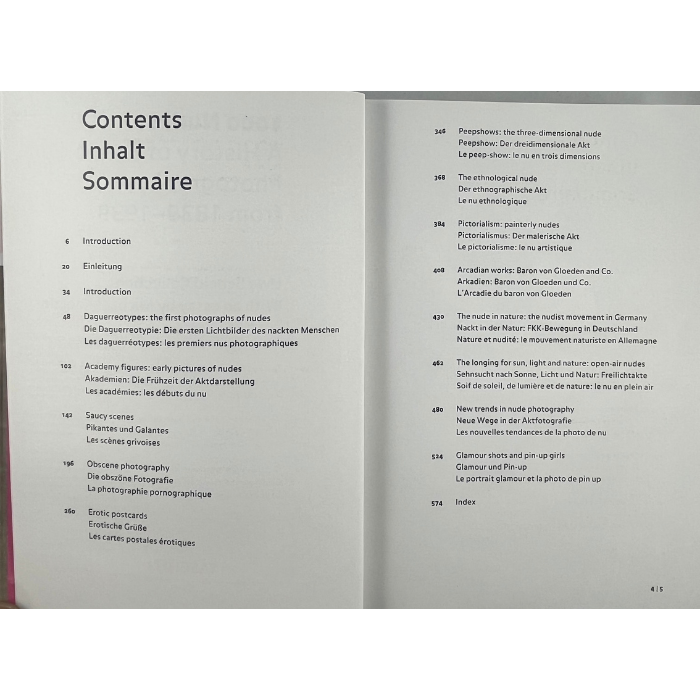
What makes this book valuable is its historical and cultural scope. It doesn't just present images; it contextualizes them within the evolution of photographic technology, changing social mores, and artistic movements. The thematic organization—from early daguerreotypes through academy studies, saucy postcards, ethnographic images, pictorialist art, and early glamour shots—reveals how the nude has served multiple purposes across cultures and eras.
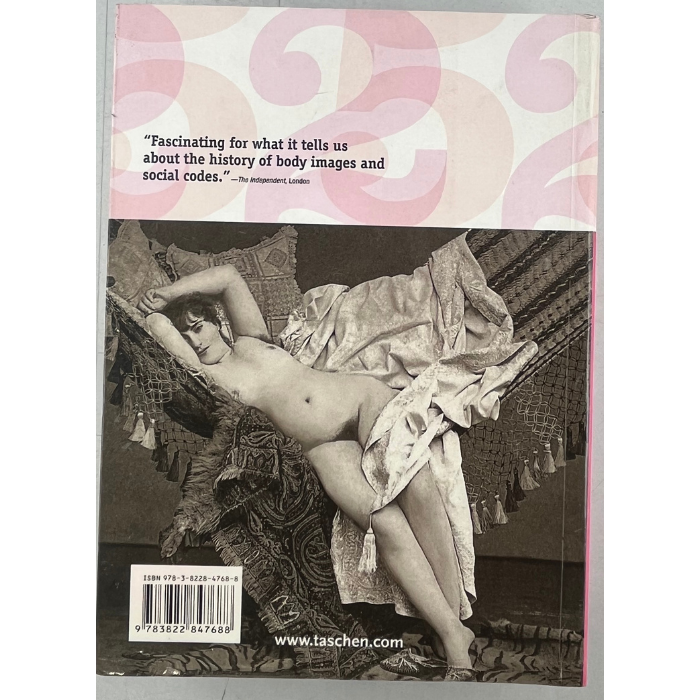
The introduction appears in three languages (English, German, French), reflecting TASCHEN's international audience. The scholarship is serious, treating the subject as worthy of academic study. As The Independent notes, the book is ''fascinating for what it tells us about the history of body images and social codes.'' It's a cultural history as much as an art history.
The images themselves range from the artistically sublime to the historically curious to the explicitly pornographic. This is not a book for those seeking soft-core titillation—it's a scholarly survey that includes everything from ethnographic studies of ''exotic'' peoples to clandestine pornographic photos to the painterly nudes of the Pictorialist movement.
Baron von Gloeden's Arcadian works, featuring young men in classical poses in Sicily, receive their own chapter, recognizing their unique place in photographic history. The section on the German nudist movement connects photography to broader social movements. The glamour shots and pin-up girls chapter traces the evolution toward 20th-century commercial erotica.
For Sri Lankan readers, this book offers insight into how Western culture has constructed and depicted the nude body over a century. The ethnographic nude section raises complex questions about how European photographers viewed (and exploited) non-Western bodies—issues with resonance for postcolonial societies.
TASCHEN's production quality is excellent—the reproductions are clear, the paper is high quality, the binding is sturdy. This is a book designed to last.
The main limitation is its subject matter—this is explicit material that will not be suitable for all readers or all contexts. The book itself acknowledges this through its serious, scholarly approach rather than prurient presentation.
Overall, ''1000 Nudes'' is a significant contribution to the history of photography and cultural studies. It treats an often-sensationalized subject with scholarly seriousness while still providing visual pleasure. Recommended for serious students of photography, cultural historians, and anyone interested in how we have pictured the human body. Not for the easily offended.