Free Support 24/7
011 208 1308


1 ×LKR 400.00

1 ×LKR 700.00

1 ×LKR 1,000.00
Free Support 24/7
011 208 1308

Ratings: ★★★★☆(4/5)
Genre: Textbook, Mechanical Engineering, Power Engineering
Book Review:
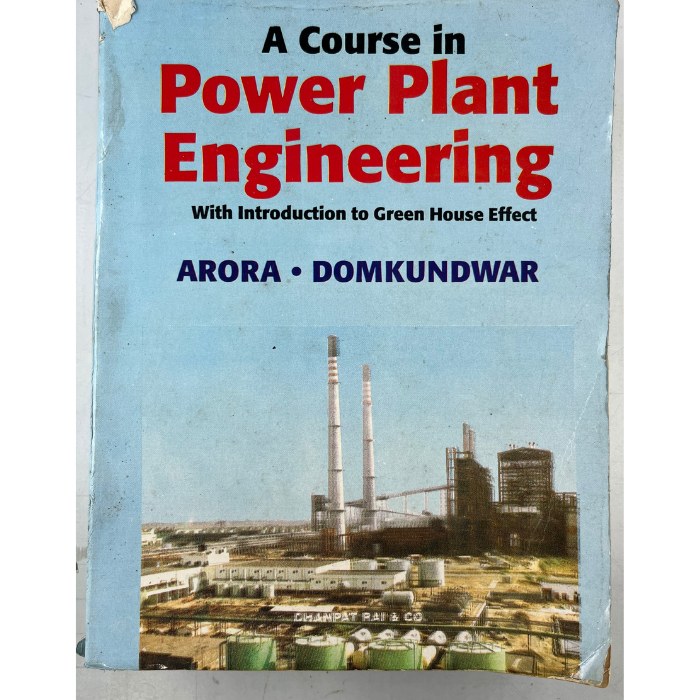
''A Course in Power Plant Engineering'' by Arora and Domkundwar is a well-established textbook that has guided countless mechanical and electrical engineering students through the complexities of power generation. Now in an updated edition that includes an introduction to the Greenhouse Effect, this book attempts to bridge traditional power engineering with modern environmental concerns.
The book's coverage is comprehensive. It systematically walks through each major type of power plant: thermal (steam), hydroelectric, nuclear, diesel, and gas turbine. For each, the authors explain the working principles, major components, design considerations, and operational characteristics. The chapters on thermal power plants are particularly detailed, covering everything from coal handling systems to boiler design, steam turbines, and condensers.
What sets this book apart is its practical, examination-focused approach. Each chapter includes numerous solved examples that demonstrate how to apply theoretical principles to real-world calculations—efficiency calculations, heat rate determinations, and economic analyses. The end-of-chapter exercises provide ample practice for students preparing for university examinations.
The inclusion of material on the Greenhouse Effect and environmental impacts is a welcome addition, though it feels somewhat introductory compared to the depth of the technical chapters. It does, however, signal an important shift in how power engineering must be taught—with awareness of climate change and sustainability.
The book's limitations include occasionally dated diagrams and a production quality that is functional rather than polished. Some topics could benefit from more modern treatment, particularly in the rapidly evolving areas of renewable energy.
For Sri Lankan engineering students, this book offers solid coverage of the power engineering curriculum at an affordable price. It is particularly valuable for those interested in careers in the energy sector, including Sri Lanka's growing focus on renewable energy and sustainable power generation.
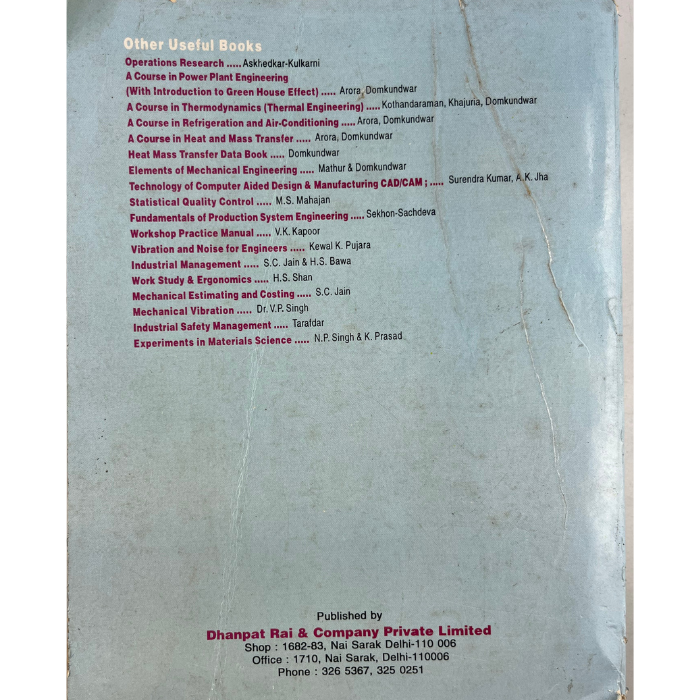
A reliable, thorough textbook that serves its purpose well. While it may not be the most cutting-edge reference available, it provides the fundamental knowledge every power engineer needs. The publisher's catalog on the back cover also lists other useful engineering texts, making it a good starting point for building a technical library.
