Free Support 24/7
011 208 1308

Free Support 24/7
011 208 1308


Ratings: ★★★★☆ (4/5)
Genre: Religion, Indian Philosophy, Comparative Religion, Asceticism, Buddhist Studies, Hindu Studies, Jain Studies, History.
Book Review:
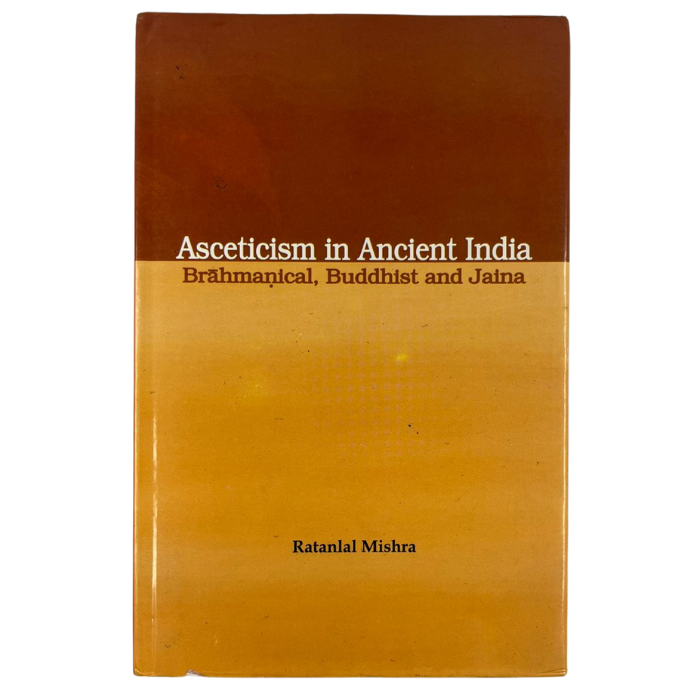
Ratanlal Mishra's ''Asceticism in Ancient India'' is a comprehensive and scholarly exploration of one of the most enduring and significant practices in South Asian religious history: the pursuit of liberation through renunciation and self-discipline. The book's great strength lies in its comparative approach, examining the theory and practice of asceticism across the three major traditions that originated in ancient India—Brahmanical (Hindu), Buddhist, and Jaina.
Mishra meticulously traces the origins and development of ascetic ideas and practices within each tradition. He delves into the philosophical underpinnings, explaining how concepts like karma, samsara, and moksha/nirvana provided the rationale for the ascetic path. The book explores the diverse lifestyles of ascetics, from the forest-dwelling hermits of the Upanishads to the organized monastic communities (sanghas) of the Buddhists and Jains. It also examines the social dimensions, including the complex relationship between ascetics and the householder society they often depended upon.
While the book is deeply academic and aimed at students and scholars of religion and Indology, it is written in a clear and accessible style. It successfully highlights both the shared foundations (such as the rejection of worldly desire) and the distinct emphases of each tradition's ascetic discipline. For anyone seeking a detailed and balanced understanding of how the quest for spiritual transcendence shaped ancient Indian culture and thought, this volume is an invaluable resource. It sheds light on a practice that remains central to understanding the religious landscape of India.