Free Support 24/7
011 208 1308

Free Support 24/7
011 208 1308
Ratings: ★★★★★ (4.5 / 5)
Genre: History, Biography, Mughal Empire, Indian History
Book Review:
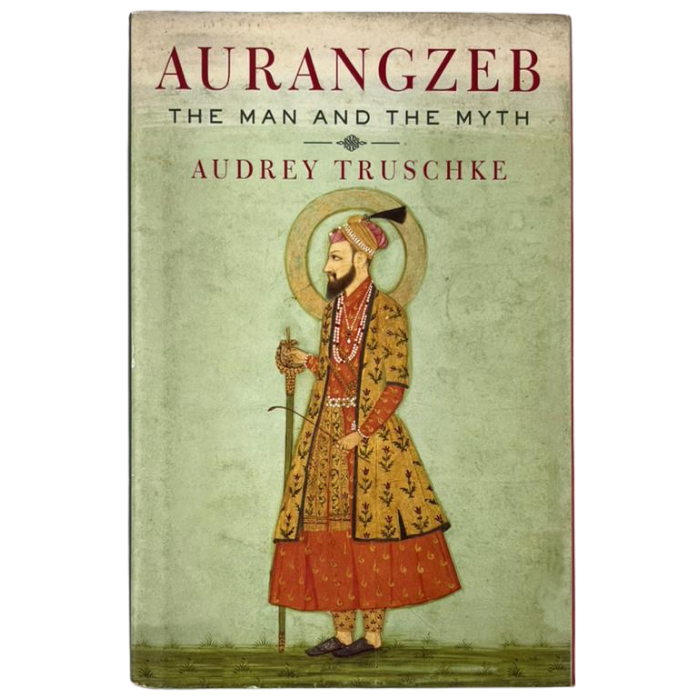
Aurangzeb is one of the most controversial and misunderstood figures in Indian history. The sixth Mughal emperor, he ruled for nearly fifty years over a vast empire, but he has been vilified by both colonial historians and modern nationalists as a bigoted tyrant who destroyed Hindu temples and persecuted non-Muslims. But how much of this is true?
In Aurangzeb: The Man and the Myth, Audrey Truschke offers a fresh, balanced, and much-needed reassessment of this complex figure. Drawing on Persian sources that have often been ignored, she paints a nuanced portrait of a man who was both a devout Muslim and a pragmatic ruler, capable of both cruelty and generosity.
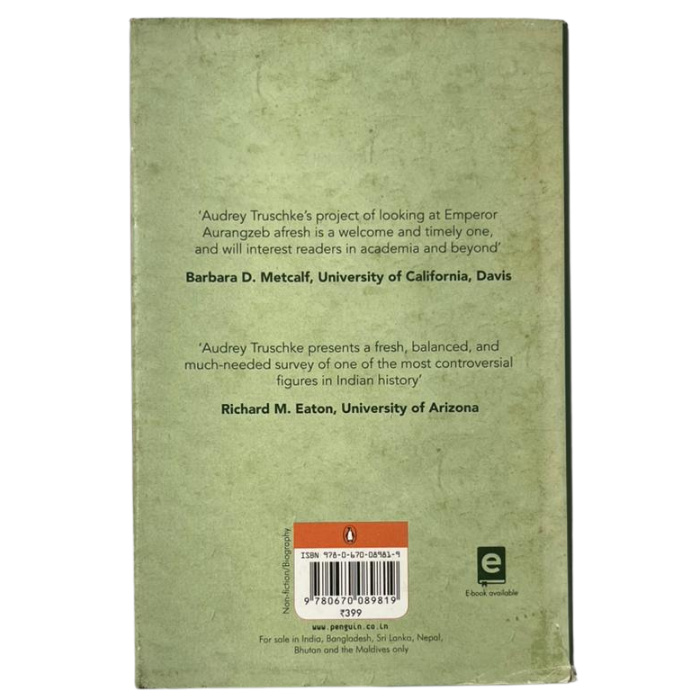
Barbara D. Metcalf (University of California, Davis) calls it: ''A fascinating book that will interest readers in academia and beyond.''
Richard M. Eaton (University of Arizona) describes it as: ''A fresh, balanced, and much-needed survey of one of the most maligned figures in Indian history.''
Truschke shows that the historical Aurangzeb was far more complex than the myth. He was a patron of learning and the arts, a skilled military commander, and an administrator who expanded the Mughal Empire to its greatest extent. But he was also capable of ruthlessness, imprisoning his own father and executing his brother in his rise to power.
The book explores Aurangzeb's policies toward non-Muslims, his religious beliefs, his relationships with his family, and his legacy. Truschke argues that many of the stories about his destruction of temples and persecution of Hindus are exaggerated or fabricated, often for political purposes.
Aurangzeb: The Man and the Myth is essential reading for anyone interested in Indian history, the Mughal Empire, or the complex relationship between religion and power. It is a model of clear-eyed scholarship—a book that challenges assumptions and invites us to think more deeply about the past.