Free Support 24/7
011 208 1308

Free Support 24/7
011 208 1308


Ratings: ★★★☆☆ (3.5/5) - based on limited information
Genre: Literary Criticism / Buddhist Studies / Indology
Book Review:
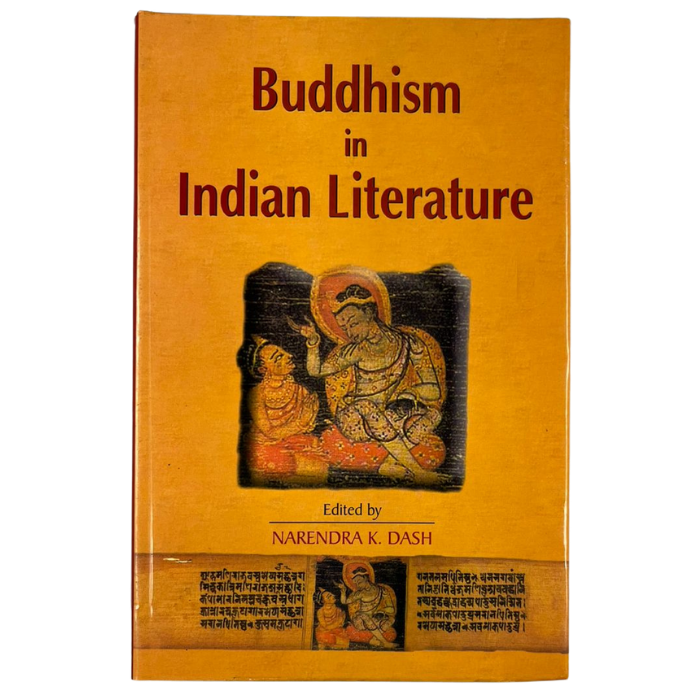
Narendra K. Dash's edited volume ''Buddhism in Indian Literature'' is a scholarly collection that explores the profound and lasting influence of Buddhist thought on the literary traditions of the Indian subcontinent. Published by the prestigious Indian Institute of Advanced Study in Shimla, the book brings together essays from multiple contributors examining this relationship across languages and periods.
The scope of the volume appears broad, potentially covering literature in Sanskrit, Pali, Prakrit, and perhaps vernacular languages. Buddhism, after all, has shaped Indian literature in countless ways—from the Jataka tales and Buddhist hybrid Sanskrit texts to the philosophical poetry of figures like Asvaghosa, and from the inscriptions of Ashoka to the modern literature of Ambedkarite Buddhism. A collection that attempts to survey this territory could be immensely valuable.
The Indian Institute of Advanced Study is a respected institution, and its publications typically maintain high scholarly standards. Aryan Books International, the distributor, is a known publisher of academic works on Indology.
However, with limited information about the specific contents, contributors, and publication date, it's difficult to offer a more detailed assessment. Potential readers would want to know: Which periods and languages are covered? Who are the contributors? Is the collection aimed at specialists or accessible to general readers?
For scholars of Indian literature or Buddhist studies, this volume could be a useful resource, particularly if it includes essays on less-studied areas. For academic libraries, it might be a worthwhile acquisition. For general readers, the level of specialization may be challenging.
''Buddhism in Indian Literature'' represents the kind of scholarly work that advances our understanding of the deep connections between religion and literature in India. While not for everyone, it will find its audience among specialists.

051408-img.png)