Free Support 24/7
011 208 1308

1 ×LKR 300.00
1 ×LKR 400.00
1 ×LKR 2,000.00
Free Support 24/7
011 208 1308

Ratings: ★★★★★ (4.6 / 5)
Genre: History, Travel Writing, Cultural Criticism, Non-fiction
Book Review:
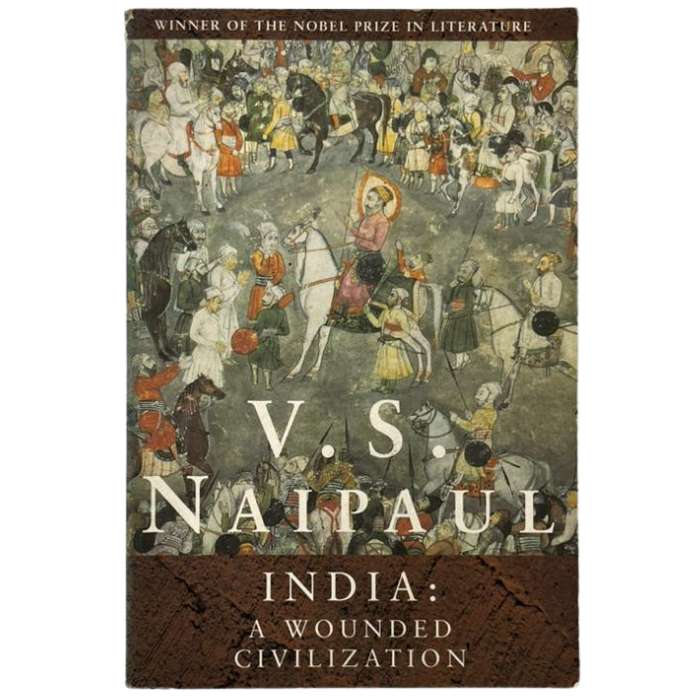
V.S. Naipaul, winner of the Nobel Prize in Literature, was one of the most important and controversial writers of the twentieth century. India: A Wounded Civilization is the second volume in his acclaimed Indian trilogy—a work of fierce candor, precision, and profound insight.
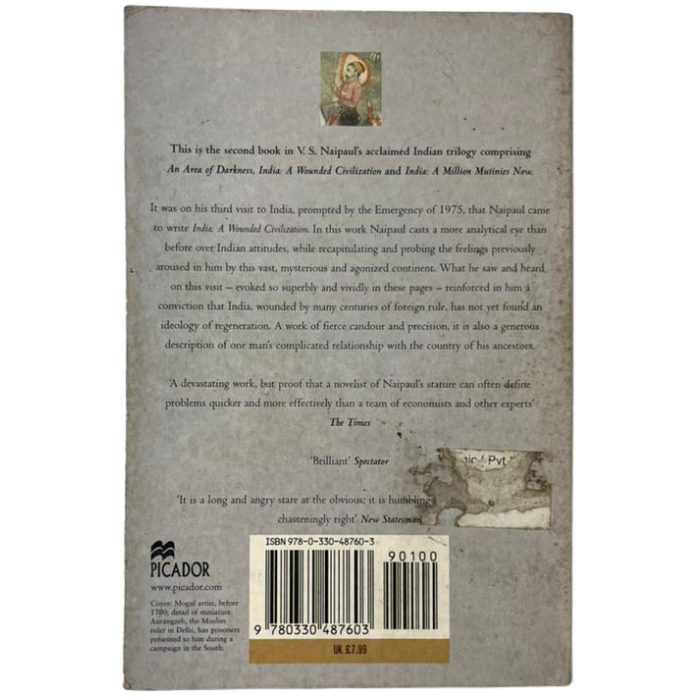
The book was born from Naipaul's third visit to India, prompted by the Emergency of 1975—a period when Prime Minister Indira Gandhi suspended civil liberties and ruled by decree. What Naipaul saw and heard on this visit reinforced in him a conviction that India, wounded by many centuries of foreign rule, had not yet found an ideology of regeneration.
Unlike his earlier An Area of Darkness, which was more impressionistic, this book takes a more analytical approach. Naipaul casts his sharp, unsparing eye over Indian attitudes, institutions, and beliefs. He examines the lingering effects of colonialism, the failures of post-independence leadership, the rigidity of the caste system, and the intellectual and spiritual responses to modernity.
What emerges is a portrait of a civilization in crisis—a society struggling to find its way between a glorious past and an uncertain future. Naipaul writes with his characteristic clarity and honesty, never flinching from uncomfortable truths.
The critical response was powerful:
The Times called it: ''A devastating work, but proof that a novelist of Naipaul's stature can often define problems quicker and more effectively than a team of economists and other experts.''
The Spectator described it as ''Brilliant.''
The New Statesman said: ''It is a long and angry stare at the obvious; it is humbling, chasteningly right.''
India: A Wounded Civilization is not an easy book, but it is an essential one. It is a work of deep reflection on the nature of civilization, the wounds of history, and the struggle for renewal. For anyone seeking to understand modern India—and the mind of one of its most penetrating observers—this book is indispensable.