Free Support 24/7
011 208 1308

Free Support 24/7
011 208 1308
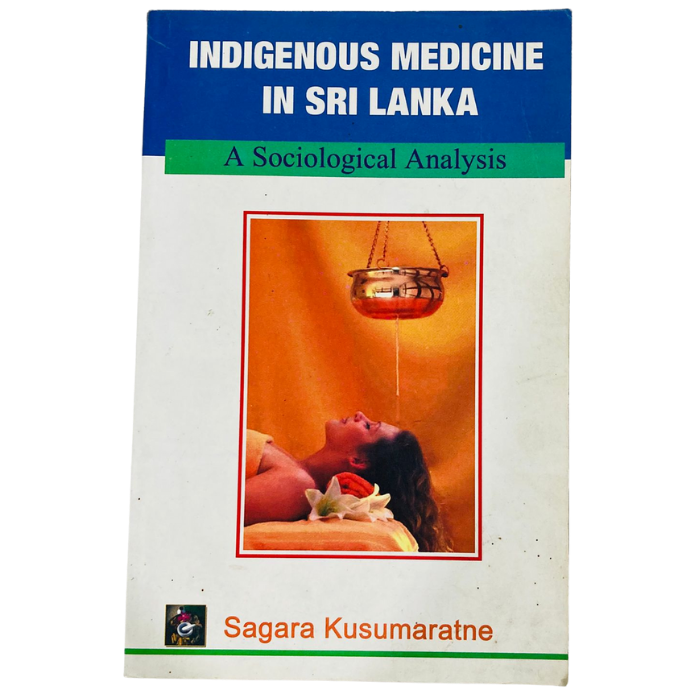

Genre: Sociology, Medical Anthropology, Cultural Studies, Health Policy, Non-Fiction
Rating: ★★★★☆ (4/5)
Book Review:
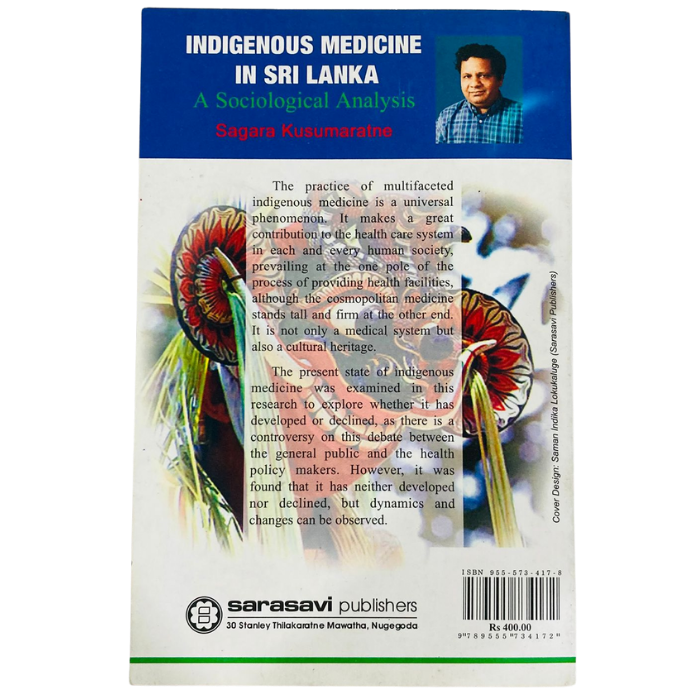
Indigenous Medicine in Sri Lanka: A Sociological Analysis by Sagara Kusumaratne offers a thoughtful and well-researched examination of traditional healing systems within the modern sociocultural and policy landscape of Sri Lanka. Moving beyond a purely medical or historical perspective, Kusumaratne applies a sociological lens to understand how indigenous medicine functions as both a healthcare practice and a living cultural heritage.
The book explores the dynamic relationship between traditional healing and cosmopolitan (Western) medicine, questioning common assumptions of outright development or decline. Instead, Kusumaratne identifies nuanced processes of adaptation, persistence, and change, shaped by factors such as state policy, globalization, community trust, and the interplay of tradition and modernity.
Based on empirical research, the analysis is grounded in real-world contexts, making it relevant for scholars in medical anthropology, public health, sociology, and South Asian studies. The writing is academic yet accessible, providing valuable insights for policymakers, healthcare practitioners, and anyone interested in the pluralistic nature of healing in Sri Lanka and beyond.
This book fills an important gap in the literature by treating indigenous medicine not as a static relic but as a dynamic, evolving system embedded in social structures. It is a significant contribution to understanding how traditional knowledge survives and transforms in the face of globalization and biomedical dominance. Highly recommended for readers engaged with health systems, cultural preservation, or interdisciplinary social research.



140607-img.png)