Free Support 24/7
011 208 1308


1 ×LKR 500.00

1 ×LKR 800.00

1 ×LKR 1,000.00

1 ×LKR 500.00
Free Support 24/7
011 208 1308
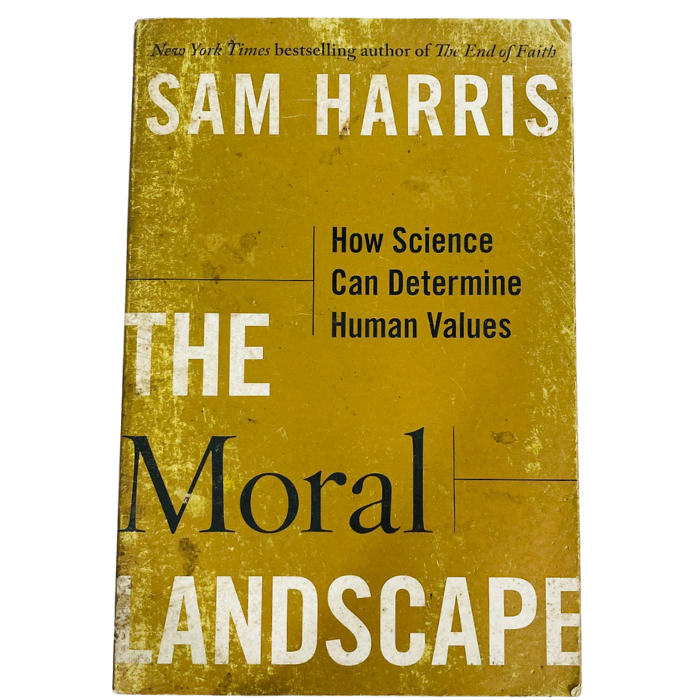

Genre: Non-Fiction, Philosophy, Science, Ethics, Neuroscience
Rating:Rating:★★★★☆ (4.3/5)
Book Review :
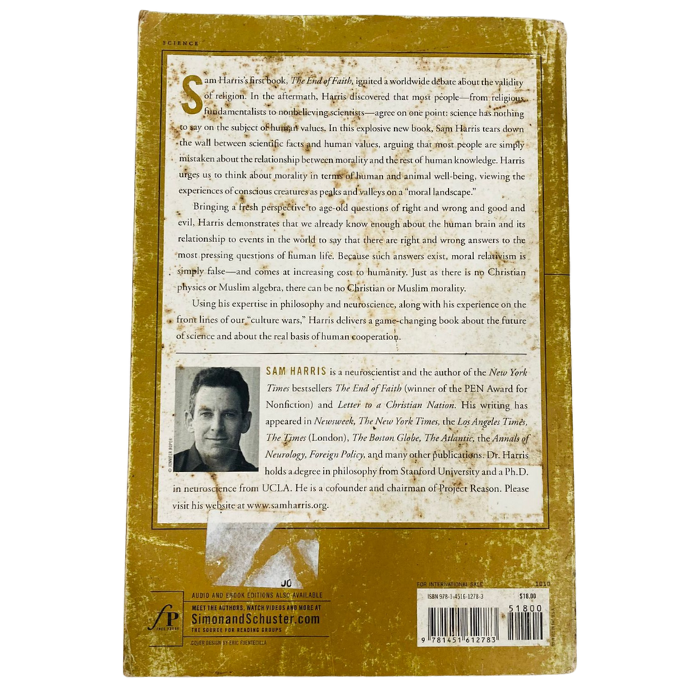
In ''The Moral Landscape,'' neuroscientist and philosopher Sam Harris presents a provocative and rigorously argued thesis: that science, not religion or philosophy alone, can and should be used to identify human values and define a universal morality. Harris contends that questions of good and evil, right and wrong, are fundamentally about the conscious experiences of sentient beings—specifically, their well-being and suffering. He posits a ''moral landscape'' with peaks and valleys representing states of well-being, which he argues can be mapped and understood through the tools of neuroscience, psychology, and sociology. While controversial and challenging to traditional views on morality, Harris's writing is clear, accessible, and backed by scientific reasoning. The book is a compelling call for a new, evidence-based conversation about how we should live, making it essential reading for anyone interested in the intersection of science, philosophy, and ethics. It is both a critique of moral relativism and an ambitious proposal for a future guided by reason.



070822-img.png)