Free Support 24/7
011 208 1308

Free Support 24/7
011 208 1308
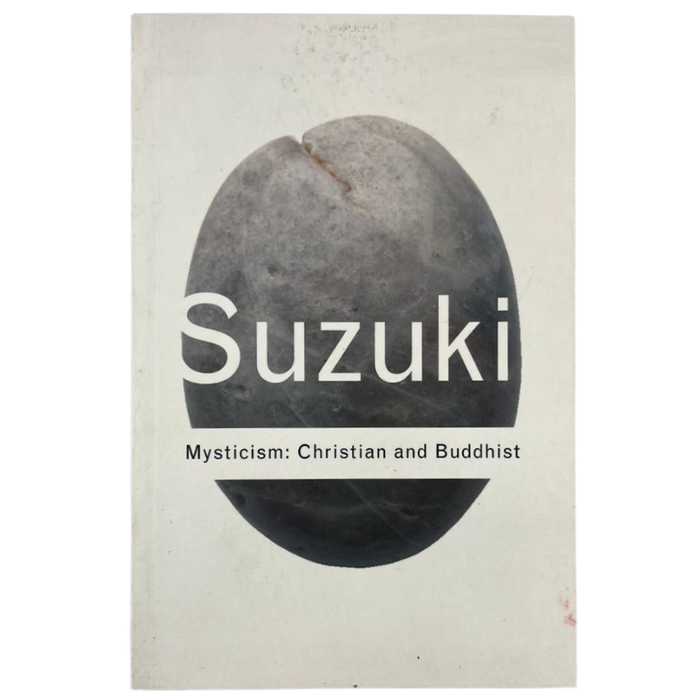
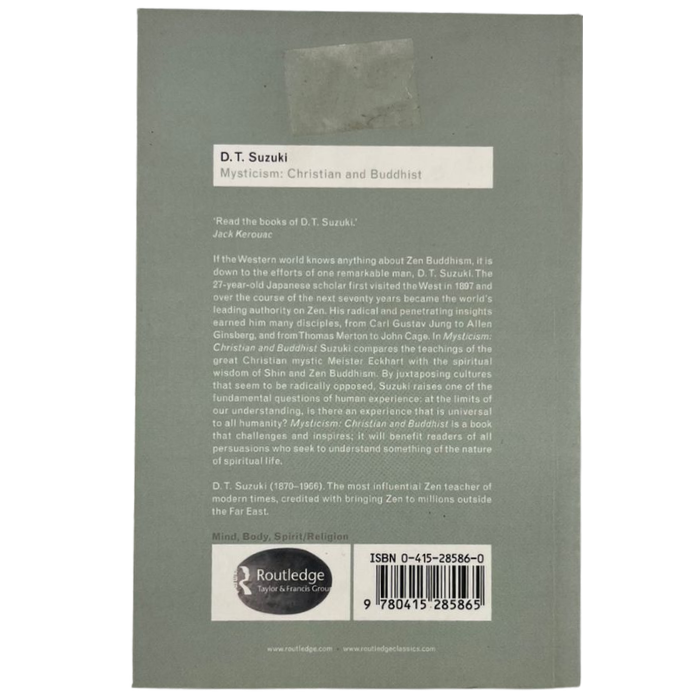

Ratings: ★★★★☆ (4.5/5)
Genre: Religion, Philosophy, Mysticism, Comparative Religion, Spirituality
Book Review:
D.T. Suzuki is a name synonymous with Zen Buddhism in the West. More than any other single figure, he was responsible for introducing the profound and often paradoxical wisdom of Zen to millions of readers. In Mysticism: Christian and Buddhist, Suzuki undertakes a fascinating and illuminating exercise in comparative spirituality, bringing his deep understanding of Eastern thought to bear on the work of a towering figure of Western mysticism.
The book is built around a comparison between the teachings of the great 13th-century German mystic, Meister Eckhart, and the core insights of Zen and Shin Buddhism. On the surface, these two traditions could not be more different. Eckhart was a Dominican friar, a scholastic theologian, and a preacher deeply rooted in the Christian tradition. Zen, by contrast, is a form of Buddhism that rejects all doctrine and scripture, emphasizing direct, personal experience over intellectual understanding. Yet Suzuki reveals profound and unexpected parallels between them.
Both Eckhart and the Zen masters speak of a reality beyond words and concepts. They both describe a path of ''detachment'' (Eckhart's Abgeschiedenheit) or ''emptiness'' (Zen's sunyata) that leads to a direct experience of the divine or ultimate reality. They both speak of a ''birth of God in the soul'' or a realization of one's own ''Buddha-nature.'' Suzuki's genius lies in his ability to illuminate these parallels without reducing either tradition to the other. He honors the uniqueness of each while showing how they both point toward a universal human experience: the longing for transcendence and the possibility of union with the absolute.
The book is not a dry academic treatise. Suzuki writes with the clarity and insight of a master, making complex ideas accessible without oversimplifying them. He raises one of the most fundamental questions of human experience: at the limits of our understanding, beyond the boundaries of culture and creed, is there an experience that is common to all humanity? Is there a universal mysticism?
Mysticism: Christian and Buddhist is a book that challenges and inspires. It is a work of profound wisdom that will benefit readers of all persuasions—Christian, Buddhist, or neither—who seek to understand something of the nature of spiritual life. As Jack Kerouac famously said, ''Read the books of D.T. Suzuki.'' This is an excellent place to start.