Free Support 24/7
011 208 1308

1 ×LKR 200.00
1 ×LKR 1,000.00
Free Support 24/7
011 208 1308

ratings: ★★★★★ (4.7/5)
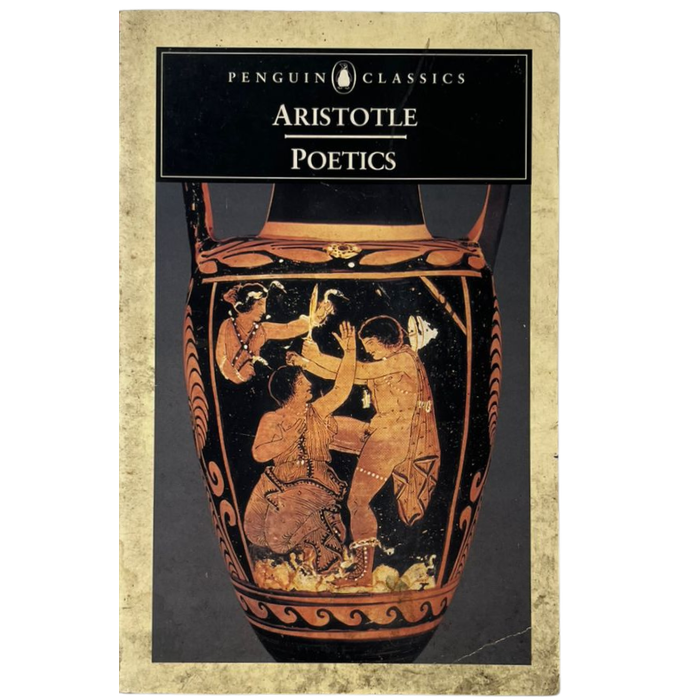
Genre: Literary Criticism, Philosophy, Drama, Classics
Book Review:
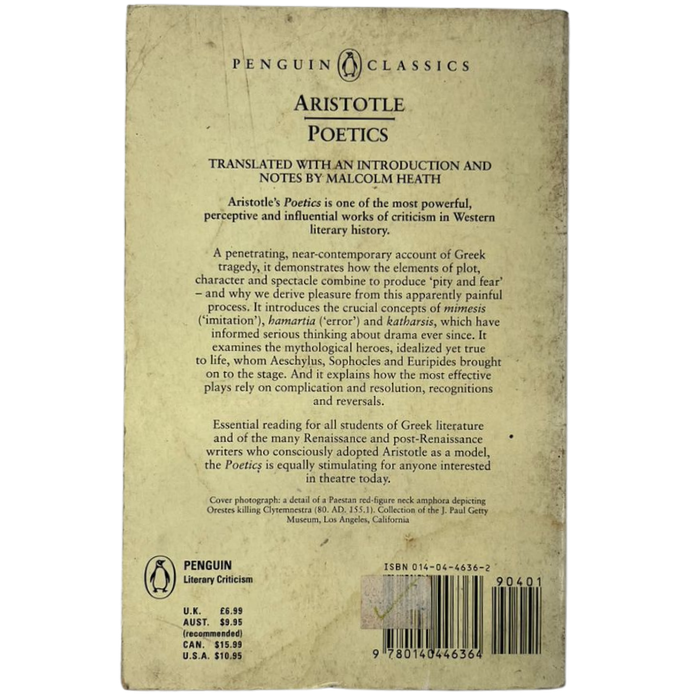
Aristotle's ''Poetics'' is the foundational text of Western literary criticism, and the Penguin Classics edition, translated and introduced by Malcolm Heath, is the perfect gateway into this seminal work. More than two millennia after it was written, this short treatise remains one of the most powerful, perceptive, and influential analyses of dramatic art ever composed.
In ''Poetics,'' Aristotle dissects the nature of tragedy with surgical precision. He identifies its core components—plot, character, thought, diction, melody, and spectacle—and argues for the primacy of plot as the very ''soul'' of a tragedy. He introduces concepts that have become the bedrock of storytelling theory: mimesis (imitation of life), hamartia (the tragic flaw or error that leads to a hero's downfall), and the famous catharsis (the purging of pity and fear, which produces a sense of emotional renewal in the audience).
This is not a dry, academic relic. Reading Aristotle's observations on the plays of Aeschylus, Sophocles, and Euripides, one is struck by their enduring relevance. His insights into how effective plots rely on complication and resolution, on recognitions and reversals, are as valuable to a modern screenwriter or novelist as they were to a Greek dramatist.
Malcolm Heath's translation is clear and accessible, while his introduction and notes provide essential context, guiding the reader through Aristotle's arguments and their place in literary history. Whether you are a student of Greek literature, a writer, or simply a lover of theatre and stories, this edition of ''Poetics'' is an essential and endlessly rewarding read. It is the book where our understanding of drama begins.