Free Support 24/7
011 208 1308

Free Support 24/7
011 208 1308
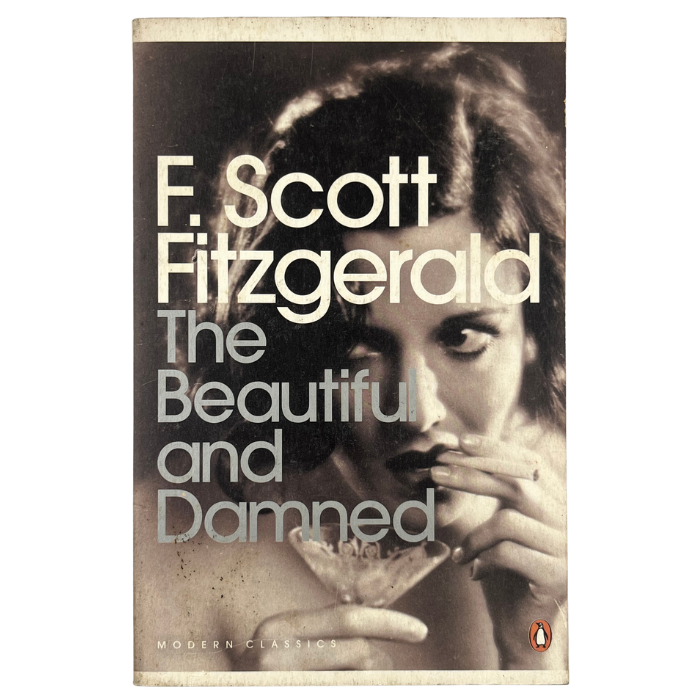
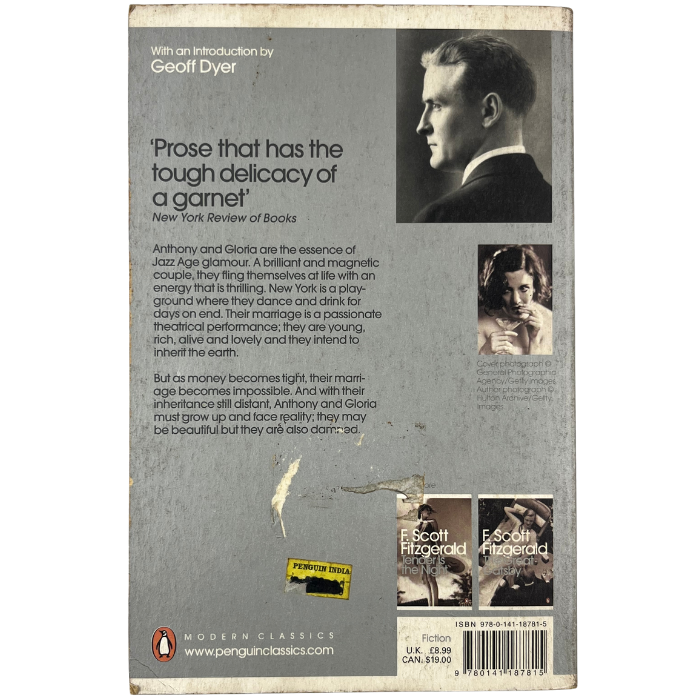

Ratings: ★★★★☆ (4.3/5)
Genre: Literary Fiction, Classic, Modernist Literature, Jazz Age Fiction
Book Review:
F. Scott Fitzgerald is rightfully celebrated for ''The Great Gatsby,'' but his second novel, ''The Beautiful and Damned,'' deserves equal recognition as a masterpiece of Jazz Age literature. It's a brilliant, devastating portrait of a generation's golden youth and their inevitable decline.
The novel introduces us to Anthony Patch, a handsome young man of privilege, and Gloria Gilbert, a beautiful socialite described as ''a fragment of a lovely pattern.'' They are the quintessential Fitzgerald couple—glamorous, reckless, and convinced of their own exceptionalism. Their courtship is passionate, their marriage a theatrical performance. They dance through New York City, attending parties, drinking champagne, and believing that life will always be a glorious adventure.
But Fitzgerald, with his unflinching eye for truth, shows us the rot beneath the glitter. Anthony and Gloria are waiting for an inheritance from Anthony's millionaire grandfather—a fortune that will secure their lifestyle forever. But as they wait, they do nothing. They have no ambition, no purpose, no work. They simply exist, consuming pleasure and each other. When the inheritance is delayed and then contested, their world begins to crumble. Anthony descends into alcoholism, Gloria's beauty fades, and their marriage becomes a battleground.
What makes this novel so powerful is Fitzgerald's ability to make us care about these flawed, often unlikable characters. Anthony is weak, self-pitying, and increasingly cruel. Gloria is vain, demanding, and incapable of compromise. Yet we understand them. We see how privilege has crippled them, how the promise of easy wealth has destroyed their capacity for meaningful action. They are tragic figures—beautiful, yes, but damned by their own expectations.
Fitzgerald's prose is, as always, extraordinary. There are sentences here that will stop you in your tracks—luminous, perfect, heartbreaking. The dialogue crackles with wit and desperation. The set pieces—the parties, the arguments, the moments of tenderness—are rendered with cinematic vividness. The New York setting is alive, pulsing with energy and promise, a city that giveth and taketh away.
But what elevates the novel beyond mere social commentary is its philosophical depth. Fitzgerald is exploring fundamental questions: What is the purpose of life? Is beauty enough? Can love survive without work? What happens when the party ends? The novel's title comes from a line in a song: ''The beautiful and damned—the devil's own.'' Fitzgerald suggests that beauty and damnation are intertwined, that those blessed with charm and grace are often cursed with emptiness.
This Penguin Modern Classics edition includes a thoughtful introduction by Geoff Dyer that contextualizes the novel within Fitzgerald's life and career. It's a valuable addition for readers studying the text.
For fans of Fitzgerald, ''The Beautiful and Damned'' is essential reading—a crucial step between ''This Side of Paradise'' and ''The Great Gatsby.'' For readers new to his work, it's a powerful introduction to one of America's greatest writers. It's a novel that will break your heart and make you think—sometimes on the same page.
Read it. Then read it again. Fitzgerald's genius rewards rereading.