Free Support 24/7
011 208 1308

1 ×LKR 400.00
1 ×LKR 800.00
1 ×LKR 1,000.00
1 ×LKR 1,000.00
Free Support 24/7
011 208 1308
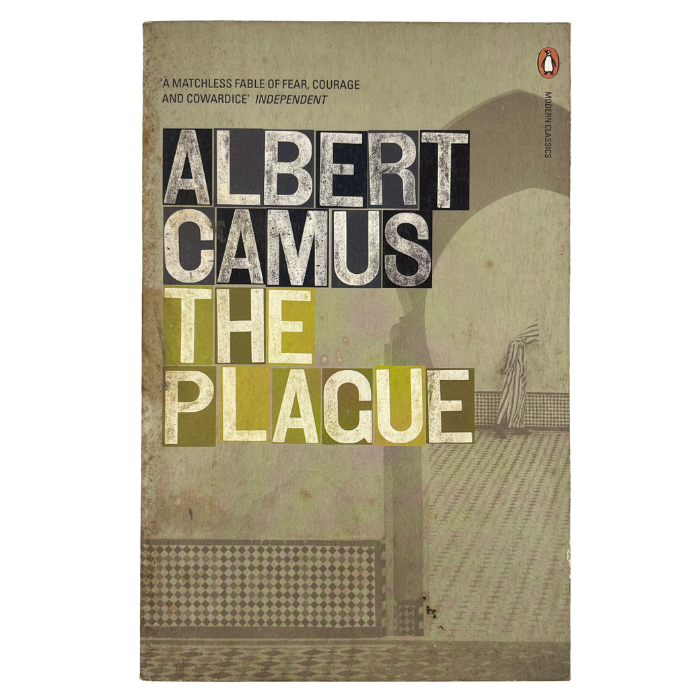
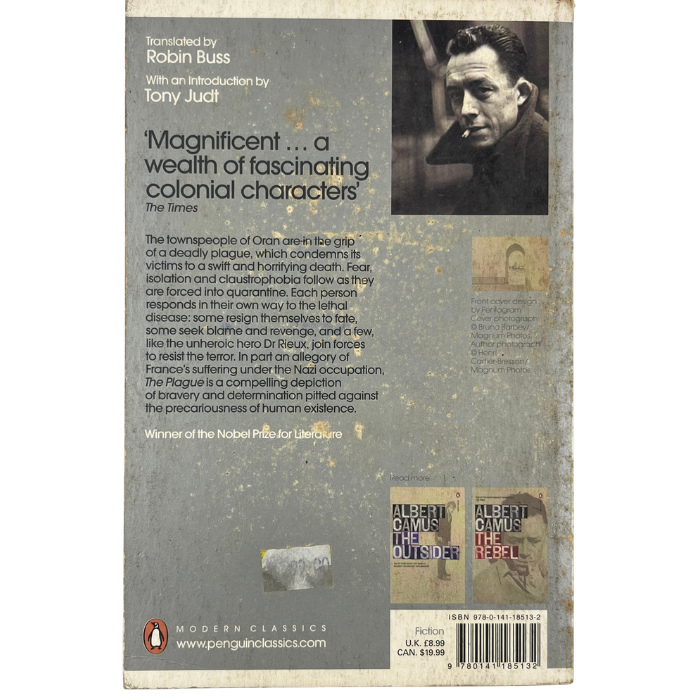

Ratings: ★★★★★ (4.9/5)
Genre: Philosophical Fiction, Classic, Literary Fiction
Book Review:
Albert Camus's ''The Plague'' is a book for our times, though it was written more than seventy years ago. It is a chillingly prescient and profoundly humane novel that transcends its specific setting to become a universal meditation on how we respond to catastrophe. The story begins in the unremarkable town of Oran, where the sudden appearance of dying rats signals the arrival of a bubonic plague epidemic. The authorities are slow to react, and soon the entire town is sealed off from the world, its citizens trapped in a state of fear, isolation, and claustrophobia. Camus masterfully depicts the psychological toll this takes: the longing for absent loved ones, the despair of the separated, and the slow erosion of hope. Yet, ''The Plague'' is not a bleak book. At its heart is a story of quiet heroism and collective resistance. The central figure, Dr. Rieux, fights the disease not with grand gestures or speeches, but with dogged, tireless effort. He embodies Camus's philosophy of solidarity: we may not be able to defeat the absurdity of suffering and death, but we can choose to stand together and fight it with everything we have. The novel is beautifully written, with a clear-eyed, almost documentary style that makes the fantastical situation feel terrifyingly real. It's a story about exile, about the persistence of memory, and about the importance of bearing witness. In a world that feels increasingly uncertain, ''The Plague'' offers not easy answers, but a profound and comforting reminder of our shared humanity and the redemptive power of choosing to fight alongside one another. An essential read.