Free Support 24/7
011 208 1308

Free Support 24/7
011 208 1308


Ratings: ★★★★☆ (4.5/5)
Genre: Literary Criticism, Cultural Studies, Postcolonial Studies, Anthropology
Book Review:
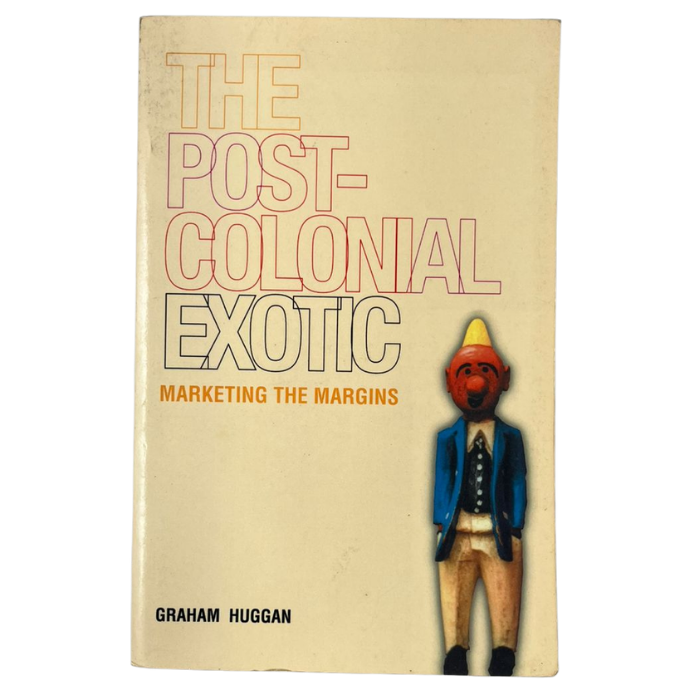
''The Post-Colonial Exotic: Unpacking the Marketing of Marginality''
Graham Huggan's ''The Post-Colonial Exotic: Marketing the Margins'' is a sharp, provocative, and deeply insightful examination of the machinery behind the global consumption of postcolonial literature and culture. It asks a uncomfortable but necessary question: How are works from the margins packaged, marketed, and ultimately domesticated for a Western audience?
Huggan, a Professor of English at the University of Munich, brings a rigorously analytical eye to the processes by which value is assigned to postcolonial cultural products. He argues that these works are often caught in a double bind—celebrated for their authenticity and otherness while simultaneously being absorbed into a global marketplace that thrives on the very exoticism they might seek to critique.
The book's scope is impressively global and interdisciplinary. Huggan examines everything from the ''Indo-chic'' trend in popular fiction to the institutional history of the Heinemann African Writers series. He analyzes the cultural mechanics of the Booker Prize, the dynamics of the US academic star system, and the politics of multicultural anthologies in Canada and ''tourist novels'' in Australia. Through these varied case studies, he builds a compelling argument about the commodification of cultural difference.
What makes this work so valuable is its refusal to offer easy answers. Huggan doesn't simply condemn the marketing of the margins; he explores its complexities, acknowledging the ways in which postcolonial writers and artists might strategically engage with, or subvert, these market forces.
''The Post-Colonial Exotic'' is essential reading for anyone in literary studies, cultural studies, anthropology, or anyone interested in understanding the global flow of culture. It is a challenging but rewarding book that forces us to confront our own complicity in the systems that produce and consume ''the exotic.'' A landmark text in postcolonial criticism.