Free Support 24/7
011 208 1308

1 ×LKR 4,000.00

1 ×LKR 400.00
Free Support 24/7
011 208 1308
Ratings:★★★★★ (4.8/5)
Genre: Art History, Textbook, Reference
Book Review:
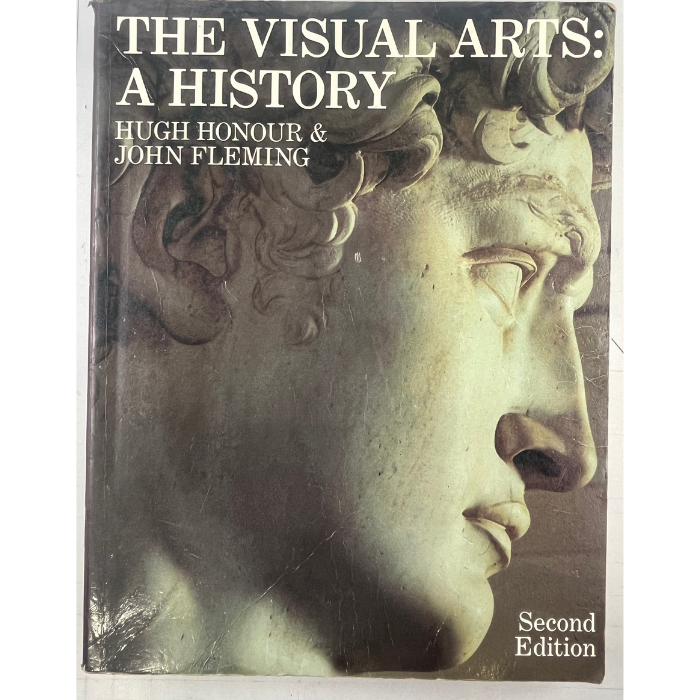
Hugh Honour and John Fleming's ''The Visual Arts: A History'' stands as one of the finest single-volume surveys of world art ever published. Now in its second edition, this monumental work continues to set the standard for comprehensiveness, scholarship, and accessibility in art historical writing.
What makes this book extraordinary is its truly global perspective. Unlike many Western-centric surveys, Honour and Fleming give equal weight to the artistic traditions of Asia, Africa, the Americas, and the Islamic world alongside the familiar Western canon. The result is a balanced, inclusive view of humanity's visual creativity across all cultures and periods.
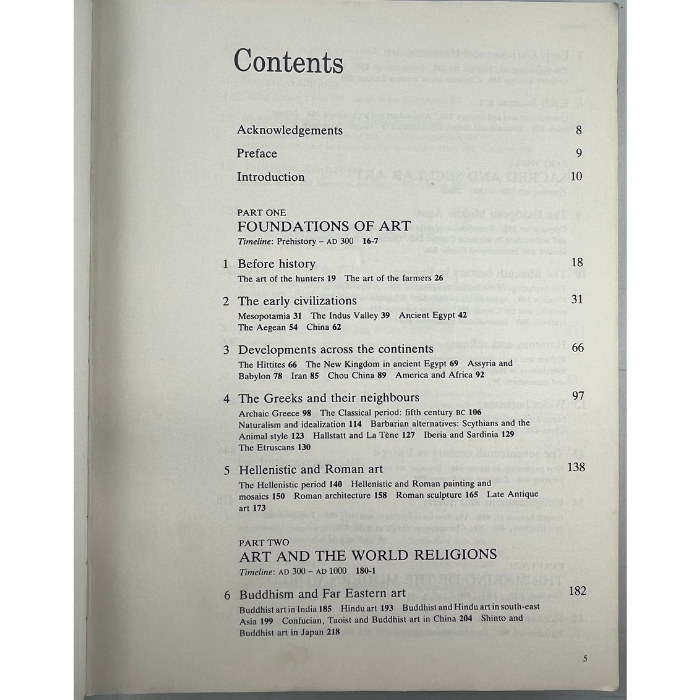
The organization is masterful. Part One traces the foundations of art from prehistoric times through the early civilizations of Mesopotamia, Egypt, Greece, and Rome. Part Two explores the profound relationship between art and the world religions—Buddhism, Hinduism, Confucianism, Taoism, Shinto—showing how spiritual beliefs shaped artistic expression across Asia. This structure reveals connections and influences that narrower surveys miss.
For Sri Lankan readers, the coverage of Buddhist art in India and Southeast Asia is particularly valuable. Understanding how Buddhist art developed and spread throughout the region provides context for appreciating Sri Lanka's own rich Buddhist artistic heritage. The sections on Hindu art and its influence across Southeast Asia illuminate the cultural connections that have shaped our region.
The book is lavishly illustrated with high-quality reproductions. Timelines at key points help readers situate developments chronologically, while maps show geographical relationships. The writing is scholarly yet accessible—dense with information but never dry or pedantic.
As a textbook, it's ideal for art history courses. As a reference, it's indispensable for anyone needing to look up a period, culture, or artist. The bibliographies and references guide further study.
The second edition updates and refines the original, incorporating new scholarship and discoveries. The authors' expertise is evident on every page—Honour and Fleming were among the most respected art historians of their generation.
The main challenge for readers is the book's sheer scope—it covers so much that some topics necessarily receive limited space. But as a survey, it strikes an excellent balance between breadth and depth.
For anyone in Sri Lanka interested in art history—students, teachers, artists, or general readers—''The Visual Arts: A History'' is an essential addition to the library. It opens windows onto the full range of human artistic achievement and provides the context needed to understand any individual work or tradition. A masterpiece of synthesis and scholarship. Highly recommended without reservation.