Free Support 24/7
011 208 1308

093518-img.png)
1 ×LKR 400.00
092557-img.png)
1 ×LKR 400.00
Free Support 24/7
011 208 1308
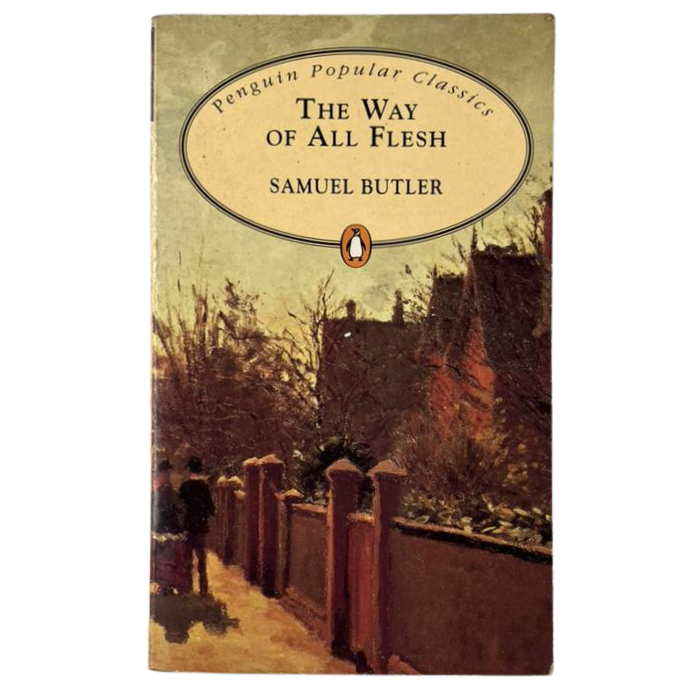
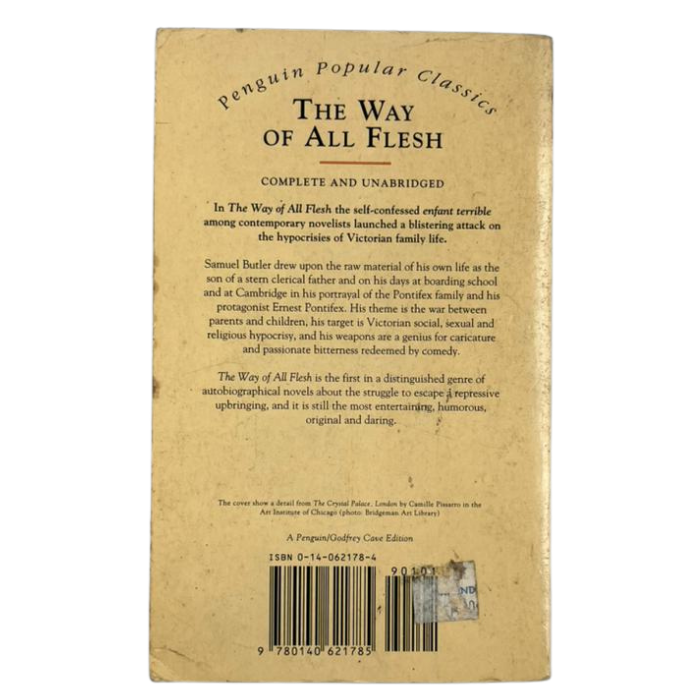

ratings: ★★★★☆ (4.1/5)
Genre: Classic Literature, Fiction, Autobiographical Fiction
Book Review:
Samuel Butler's The Way of All Flesh is a book that seems to glow with a quiet, subversive fire. Written in the 1870s and 1880s but published only after Butler's death in 1903, it is a novel that takes a sledgehammer to the pious certainties of the Victorian age. It is funny, angry, insightful, and deeply moving, and it remains one of the most influential works of its kind.
The novel is a semi-autobiographical account of Butler's own struggles with his family and his era. It tells the story of Ernest Pontifex, a sensitive young man born into a family of suffocating respectability. His father, Theobald, is a clergyman, a man of monumental pomposity and emotional cruelty. He raises his children by a rigid, joyless code, beating them for the slightest infraction and crushing any spark of individuality. His mother, Christina, is a sentimental fool, living in a world of romantic fantasy and utterly unable to protect her son.
The novel traces Ernest's progress from his miserable childhood through his brutal boarding school days, his time at Cambridge, and his disastrous attempt to become a clergyman. Each stage of his life is a new form of oppression, a new lesson in the hypocrisy of the world around him. He is a young man who has been so thoroughly brainwashed that he is incapable of making his own decisions. His inevitable downfall is both heartbreaking and bitterly comic.
The Way of All Flesh is a novel of ideas, but it is also a novel of unforgettable characters. The Pontifex family is a gallery of grotesques, but they are grotesques we recognize as painfully real. The novel's satire is sharp and unrelenting, targeting everything from religious dogma to educational brutality to the sanctity of the family itself.
But what makes the novel so enduring is its fundamental humanity. Beneath the anger and the satire is a deep compassion for its protagonist and a belief in the possibility of escape and self-discovery. Ernest's eventual liberation is hard-won and deeply satisfying.
This Penguin Popular Classics edition, a Godfrey Cave Edition, presents Butler's masterpiece in its complete and unabridged form. The Way of All Flesh is a book that paved the way for the great modernist writers of the 20th century. It is a story about the damage families can do, the lies societies tell, and the long, difficult struggle to become oneself. It is an essential read for anyone interested in the history of the novel or the complexities of the human spirit. Highly recommended.