Free Support 24/7
011 208 1308

Free Support 24/7
011 208 1308


Ratings: ★★★★☆ (4.2/5)
Genre: Literary Fiction, Historical Fiction, Indian Literature, Romance
Book Review:
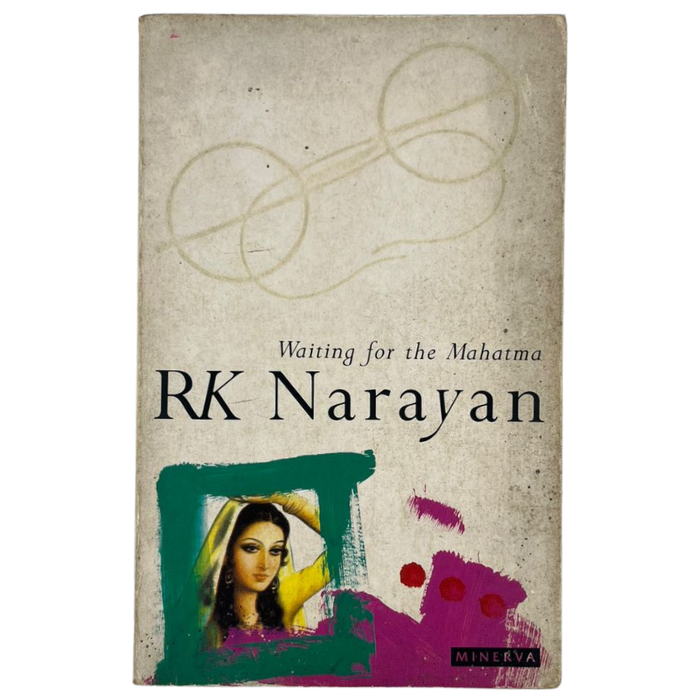
R.K. Narayan's Malgudi is one of the most beloved and vividly realized settings in all of literature. This fictional town in South India, with its eccentric inhabitants and timeless rhythms, has been the stage for some of the finest novels of the 20th century. Waiting for the Mahatma is a classic entry in the Malgudi canon, a novel that blends Narayan's signature gentle humor and keen social observation with the dramatic backdrop of India's struggle for independence.
The story introduces us to Sriram, a young man of comfortable means who lives a life of idle contentment with his doting grandmother. His world is turned upside down when he encounters Bharati, a beautiful and fiercely dedicated young woman who is collecting funds for Mahatma Gandhi's movement. Sriram is instantly smitten, and his love for Bharati leads him, somewhat reluctantly at first, into the world of political activism.
Sriram follows Bharati to Gandhi's ashram, where he is exposed to the Mahatma's teachings of non-violence, self-reliance, and social reform. He joins the Quit India movement, participating in protests and civil disobedience campaigns. But his idealism is soon tested by the harsh realities of prison life, and his love for Bharati is complicated by her unwavering devotion to the cause.
Narayan's genius lies in his ability to capture the grand sweep of history through the small, personal stories of ordinary people. Sriram is not a hero; he is a somewhat naive and bumbling young man who stumbles into history. His journey from indolence to activism, from self-absorption to love, is both funny and moving. The novel is also a touching and respectful portrait of Mahatma Gandhi himself, who appears as a character, wise, gentle, and utterly human.
Waiting for the Mahatma is a quintessentially Indian novel, but its themes of love, idealism, and the search for meaning are universal. It is a book that will charm you, make you smile, and leave you with a deeper appreciation for the human side of history. As the Guardian noted, Narayan is a writer ''more unerring in arriving by delightful detours at his destination.'' This novel is one of those delightful detours, and it is not to be missed.