Free Support 24/7
011 208 1308

Free Support 24/7
011 208 1308

Ratings: ★★★★☆ (4.5/5)
Genre: Health / Memoir / Philosophy
Book Review:
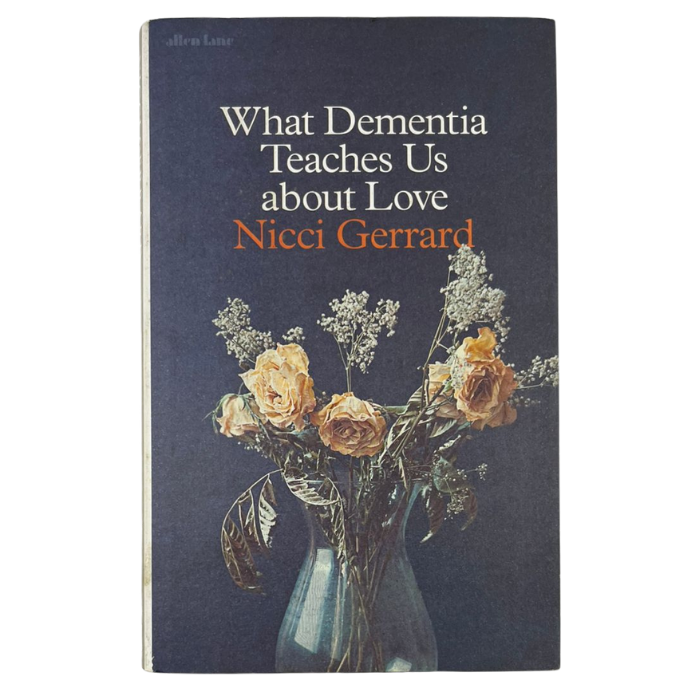
Nicci Gerrard's ''What Dementia Teaches Us About Love'' is a book that defies easy categorization. It is part memoir, part philosophy, part medical reflection, and part meditation on what it means to be human. But above all, it is a book about love—the love that persists even when memory fades, the love that caregivers give, the love that society owes to its most vulnerable members.
Gerrard writes from deep personal experience. Her father suffered from dementia, and her account of his decline and death is moving without being sentimental. But the book ranges far beyond her own story. She interviews families, caregivers, doctors, and people living with dementia. She visits care homes and hospitals. She reads philosophy and poetry. And she asks the questions that matter: What do we owe to those who are losing themselves? How do we maintain dignity when memory fails? What can dementia teach us about the nature of love itself?
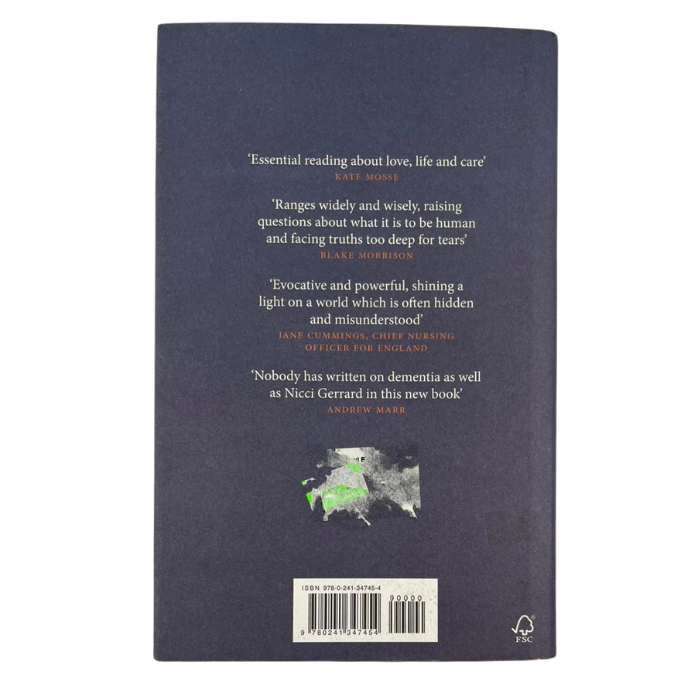
The endorsements on the back cover speak to the book's power. Kate Mosse calls it ''essential reading about love, life and care.'' Blake Morrison praises it for ranging ''widely and wisely, raising questions about what it is to be human and facing truths too deep for tears.'' Jane Cummings, Chief Nursing Officer for England, describes it as ''evocative and powerful, shining a light on a world which is often hidden and misunderstood.'' And Andrew Marr makes the bold claim that ''nobody has written on dementia as well as Nicci Gerrard in this new book.''
What makes the book so effective is Gerrard's refusal to look away. She confronts the hard truths about dementia—the fear, the loss, the grief—but she also finds moments of grace, connection, and even joy. She shows us that people with dementia are still people, still deserving of respect and love, even when they can no longer remember who they are.
The book is also a call to action. Gerrard argues that our society fails people with dementia, treating them as problems to be managed rather than as human beings to be cherished. She advocates for better care, more research, and above all, a change in attitude. We need to see people with dementia not as the living dead but as our parents, our partners, our friends—as ourselves in the future.
For anyone touched by dementia—and that is almost everyone—this book is essential reading. It offers comfort, wisdom, and a deeper understanding of what it means to love. For healthcare professionals, it provides a humanistic perspective that complements clinical knowledge. And for general readers, it is a beautifully written meditation on some of life's biggest questions.