Free Support 24/7
011 208 1308

1 ×LKR 600.00
1 ×LKR 800.00
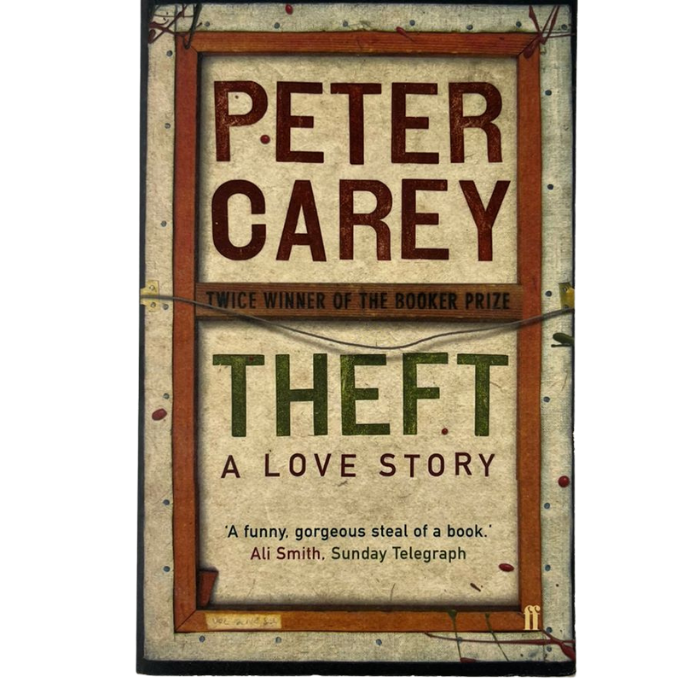
1 ×LKR 1,500.00
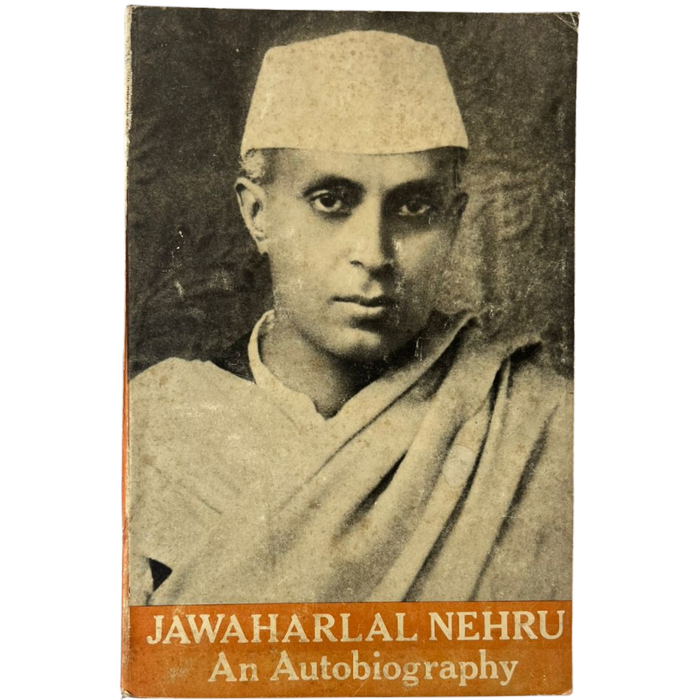
1 ×LKR 1,000.00
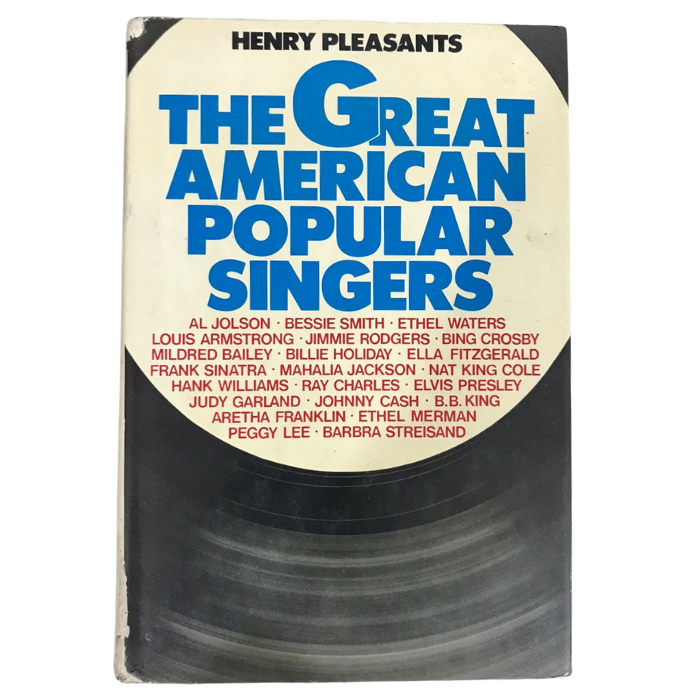
1 ×LKR 850.00
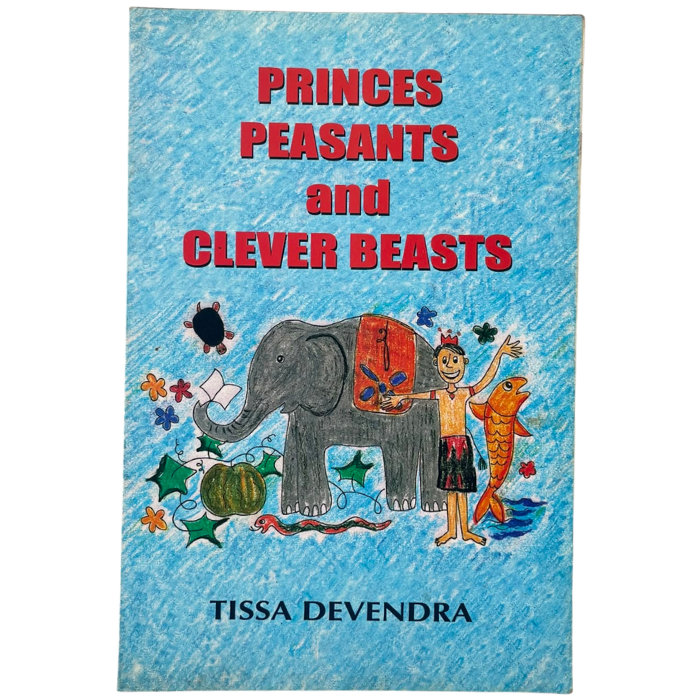
1 ×LKR 400.00
Free Support 24/7
011 208 1308

ratings: ★★★★☆ (4.2/5)
Genre: Classic Literature, Fiction, Social Commentary
Book Review:
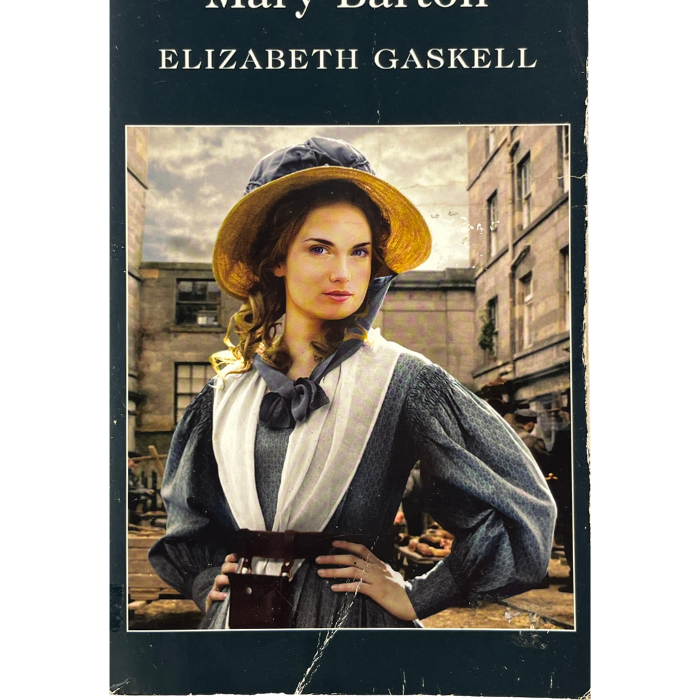
Elizabeth Gaskell's Mary Barton is a novel that pulses with the raw energy and desperate anger of its time. Published in 1848, a year of revolutions across Europe, it is a book that dares to look directly at the darkest side of the Industrial Revolution and to demand justice for those who suffered most. It is a powerful, moving, and deeply compassionate work, and it remains an essential read for anyone who wants to understand the Victorian age.
The novel is set in Manchester, the ''shock city'' of the industrial age, a place of immense wealth and unimaginable poverty. Gaskell, who lived in Manchester as the wife of a Unitarian minister, knew this world intimately. She walked its streets, visited its slums, and listened to the stories of its people. Mary Barton is her attempt to give voice to those who were too often ignored: the factory workers, the weavers, the poor.
At the heart of the novel is the Barton family. John Barton is a weaver, a man of intelligence and feeling who is slowly crushed by the weight of poverty and despair. He becomes involved in the trade union movement, and his radicalization is depicted with profound sympathy. His daughter, Mary, is the novel's heroine. She is beautiful, spirited, and ambitious, working as a seamstress and dreaming of a better life. She is courted by Jem Wilson, a good and honest engineer, and by Harry Carson, the wealthy son of a mill owner. Her choice between them is at the center of the novel's plot.
When Harry Carson is murdered, Jem is accused of the crime. Mary, convinced of his innocence, must race against time to find the real killer and save the man she loves. The murder mystery plot provides the novel with its narrative drive, but the real power of Mary Barton lies in its social commentary. Gaskell does not flinch from depicting the horrors of working-class life: the hunger, the disease, the desperation. She shows us the human cost of industrial progress.
Mary Barton is a novel of great passion and deep feeling. It is angry, but it is also compassionate. Gaskell does not simply blame the rich; she tries to understand the complex forces that have created this divided world. She shows us the humanity of her working-class characters, giving them voices and stories that are often heartbreaking.
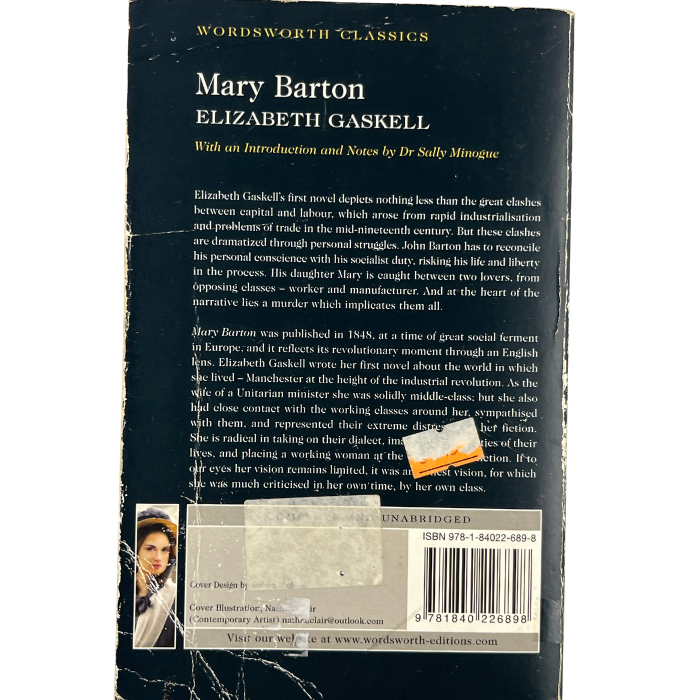
This Wordsworth Classics edition includes an excellent introduction and notes by Dr Sally Minogue, which provide valuable context for understanding the novel and its place in literary history.
Mary Barton is not an easy read, but it is a rewarding one. It is a book that will make you think, make you feel, and make you angry. It is a classic of social realism and a powerful testament to the enduring power of literature to bear witness to injustice. Highly recommended for fans of Dickens, Gaskell's other works, and anyone interested in the social history of the Victorian era.

131907-img.png)
212707-img.png)